Provable Human Authority™for the AI Era
iVALT proves the human authority behind high-value digital actions before they happen — closing the gap where inherited trust, assumed authority, credential misuse, and unauthorized AI actions live.
What is Provable Human Authority?
Provable Human Authority is cryptographic proof that the RIGHT Human authorized a specific high-value action at a specific moment. It is what enterprises need to hold AI agents, employees, and critical workflows accountable. Traditional identity and AI governance systems were never architected to provide this capability.
Access and Identity. The Gap. Authority and Execution.
Enterprise security treats these as one problem. They are actually four distinct layers.

Access
Logins to the “front door” via valid credentials or SSO entitlement.
Proves a key was used — not who used it or why.

Identity
Credentials, session tokens and inherited trust.
Proves who enrolled — not who is acting right now.
Authority
A verified human with the right role, context, and intent to perform a specific action at a specific moment.
This is what most enterprises are missing.

Execution
The action, transaction, workflow, or AI output that is produced.
Without proof of authority, you only have logs — not evidence.
AI Exposes the Internet’s Blind Spot
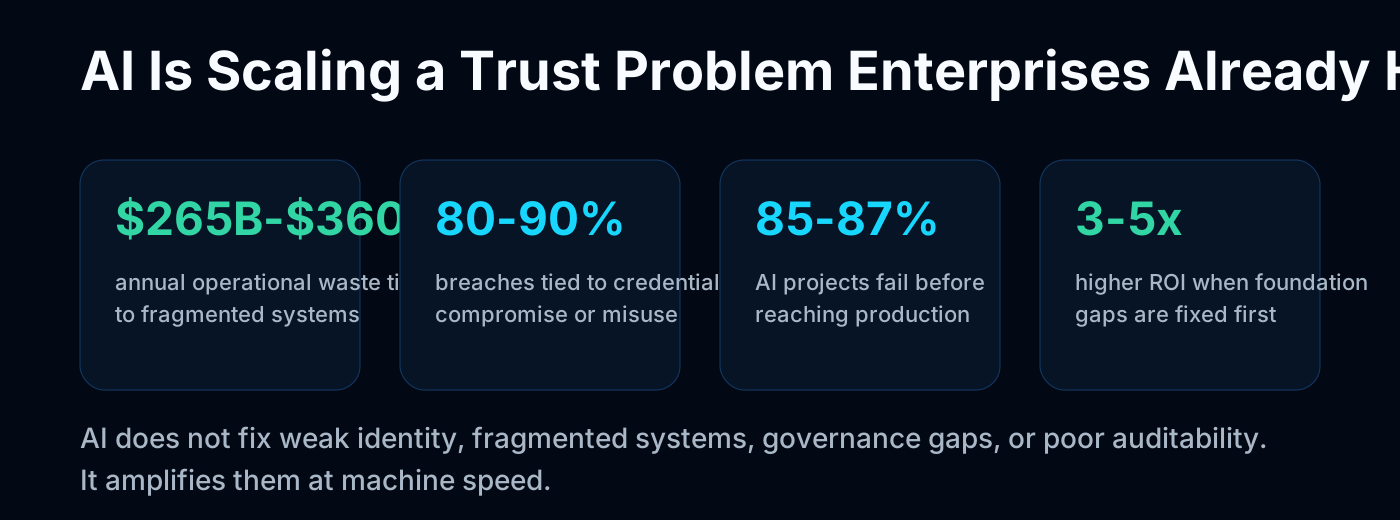
When AI agents act, documents get accessed, and workflows execute, existing platforms cannot tell you definitively whether a verified human with actual authority was behind it — and that blind spot is exactly where most Internet attacks start. This problem has existed for 30+ years, but AI brings it to existential levels for enterprises.
AI Agent Acts
An autonomous AI agent triggers a financial transaction using a service account. No human reviewed or authorized the specific action.
This is an unauthorized AI action by definition — the enterprise cannot prove human intent. The audit trail shows a token, not a person.
Document Accessed
A sensitive contract is opened by a credential that was shared, stolen, or compromised. Access logs record the session — not the human.
This is credential misuse. Compliance can say someone accessed it. Legal cannot prove who that was or whether they were authorized.
Workflow Approved
A policy exception is approved via a logged-in session. The approver may have been acting under pressure, social engineering, or not acting at all.
Your workflow system has a timestamp. You have no proof of actual human authority behind it — the definition of authority theft.
Help Desk Reset
A caller impersonating an executive convinces a help desk agent to reset credentials — bypassing MFA entirely through social engineering.
Authority was stolen, not just access. The human in the loop was manipulated; identity was assumed, never verified.
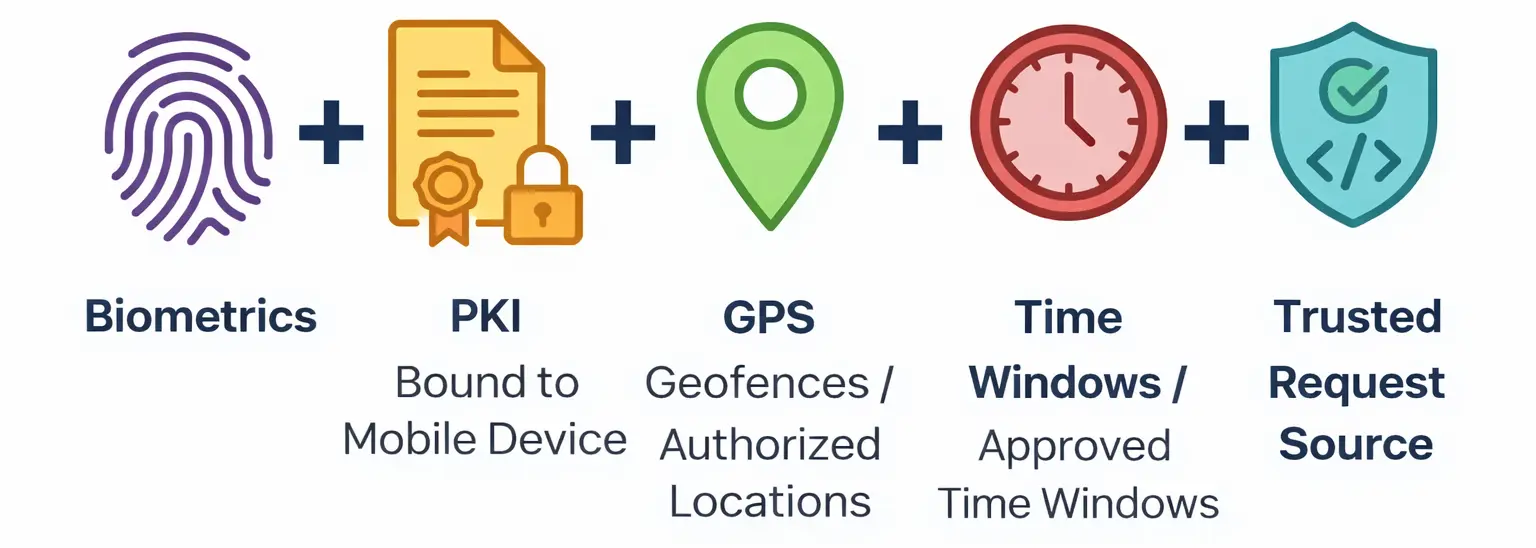
Human-Bound Identity Factors
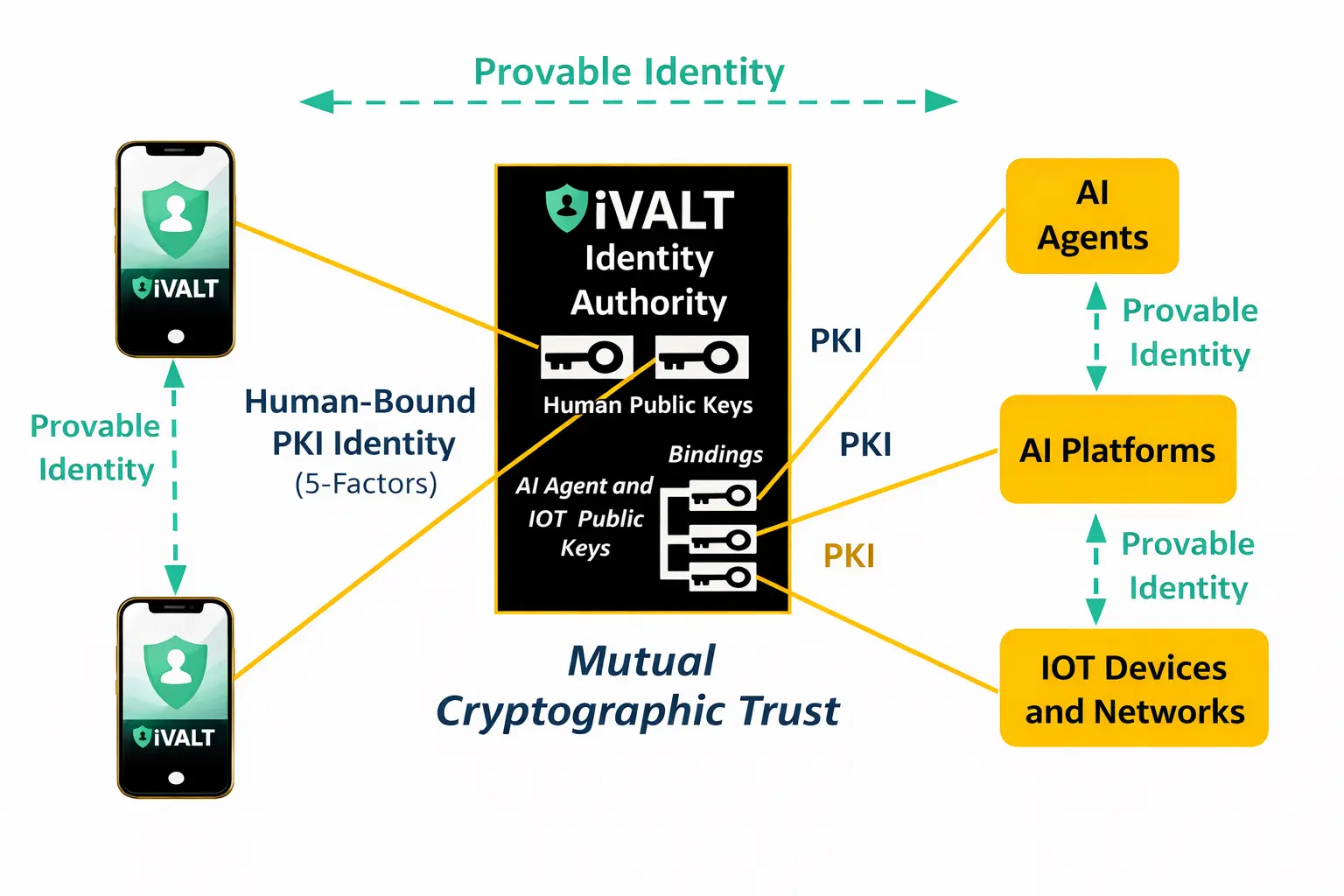
Cryptographic Authority Bridge
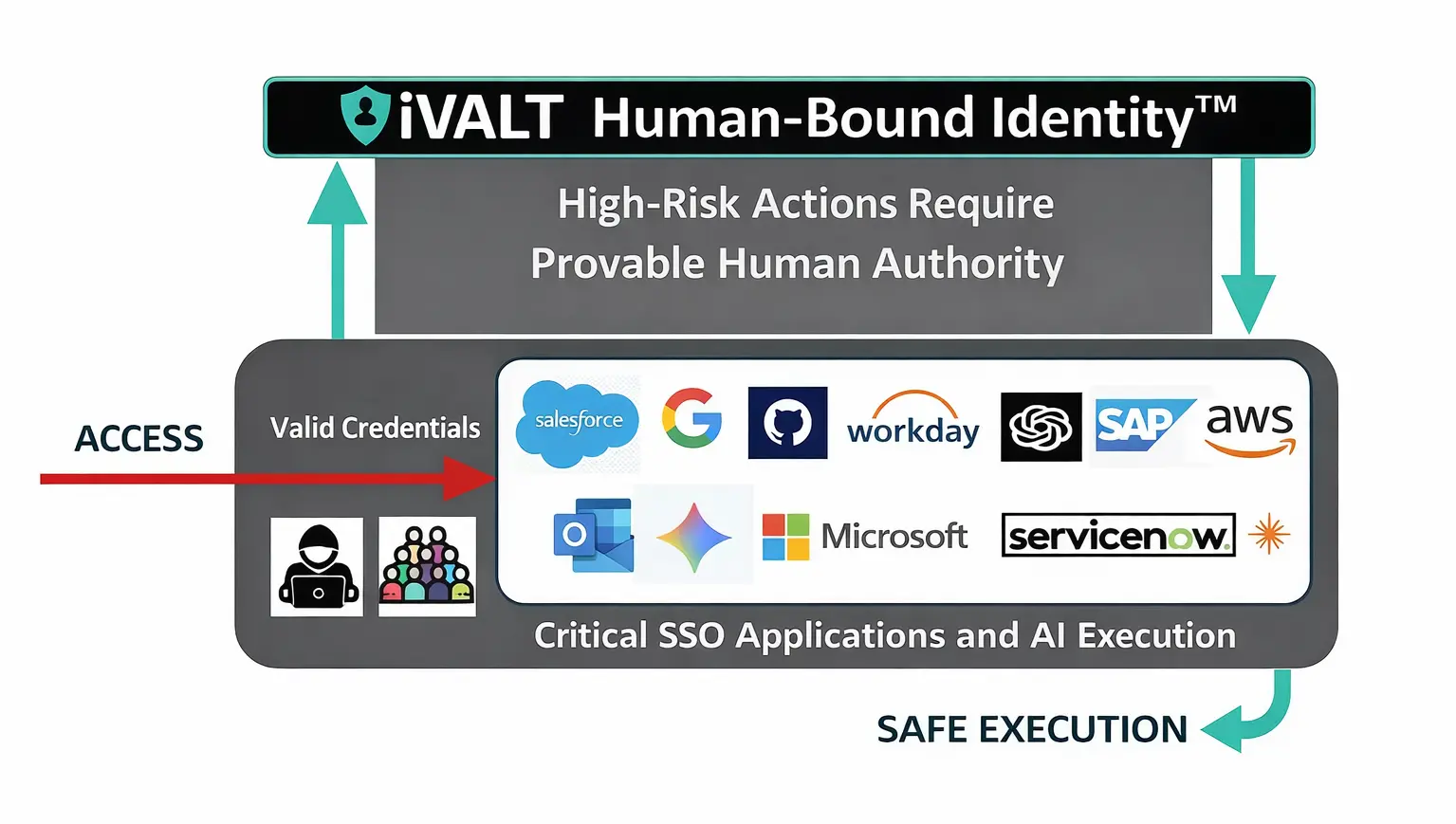
Verified Authority Overlay
The iVALT Answer: Three Binding Principles
Provable Human Authority is not an MFA vendor or an IAM alternative. It is a new layer — one that exists to close the gap between access and accountability in the age of AI.
Human-Bound
Authority is cryptographically tied to a verified real person — combining biometric confirmation, device binding, and contextual signals — not just a credential or session token.

Action-Bound
Verification happens at the moment of the action, not at login. The proof of authority travels with the document, workflow, transaction, or AI agent decision it protects.

Audit-Bound
Every iVALT-verified action creates a tamper-evident record proving who authorized what, when, and in what context — evidence that holds up for compliance, legal, and investigation.
Provable Human Authority: Frequently Asked Questions
See the Authority Gaps in Your Organization
Request an Executive Briefing to map where your enterprise lacks Provable Human Authority across AI agents, documents, workflows, and critical decisions — before authority theft, credential misuse, or an unauthorized AI action becomes a headline.